SELECTED FOR INTERNATIONAL PRINTMAKING ART PROJECT
I’m pleased to announce my participation in “Mapping Printmaking,” an ambitious international printmaking project bringing together hundreds of artists working across the diverse and continually evolving field of printmaking. The project explores the broad landscape of contemporary printmaking and graphic art, bringing together traditional techniques such as engraving, linocut, woodcut, monoprint and lithography alongside photo engraving, mixed techniques, digital print and experimental practices that expand the boundaries of the medium.

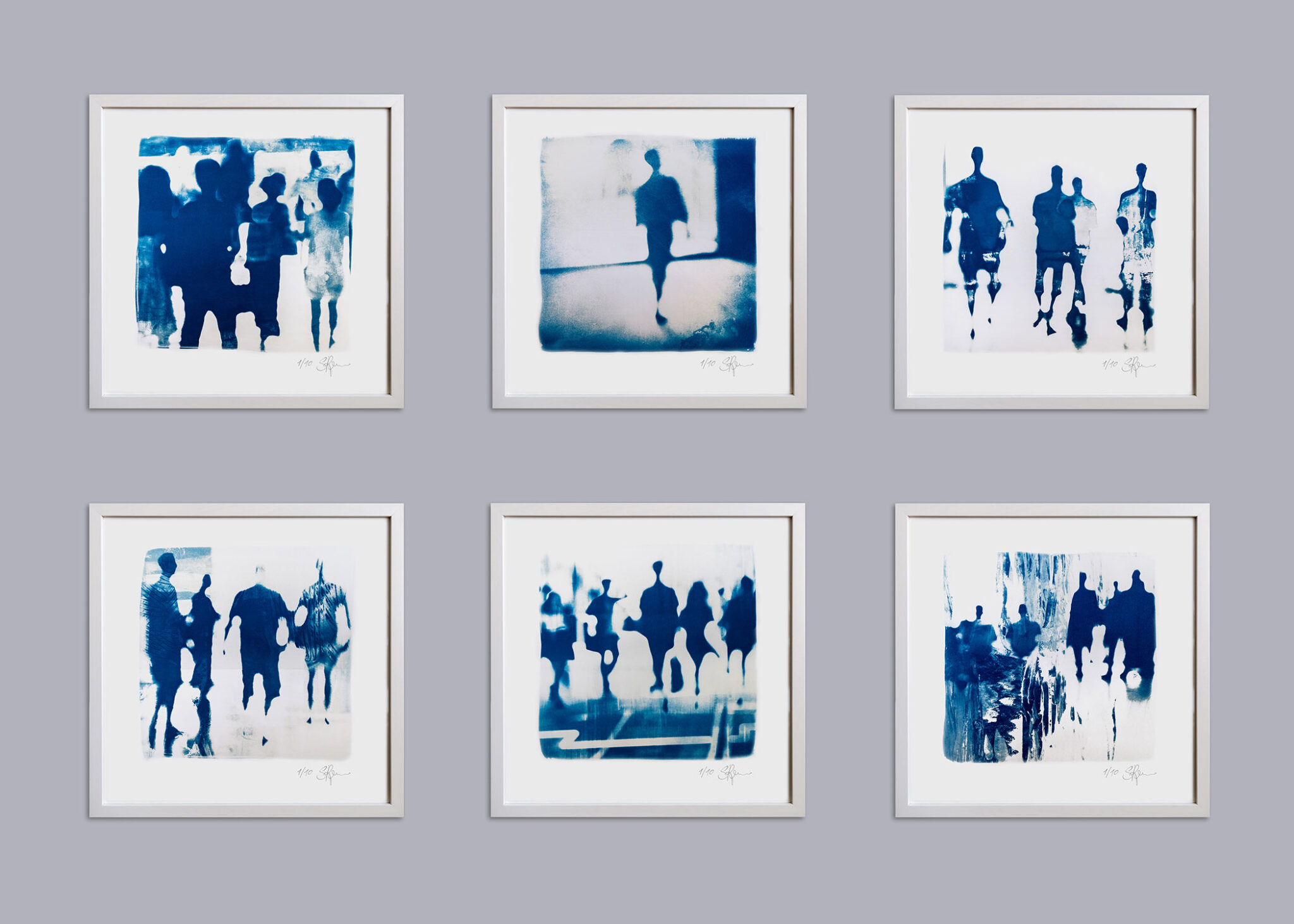
My participation reflects an important aspect of my own artistic practice, which moves between photography, digital printing, mixed media and contemporary graphic art. My work explores how photographic images can be transformed through processes of layering, abstraction, manipulation and physical production, creating works that occupy a space between photography, painting and printmaking.

What makes Mapping Printmaking particularly interesting is its understanding of printmaking as an expanded and evolving field. Rather than treating traditional engraving and contemporary digital processes as separate disciplines, the project examines their relationships and the ways technological developments have transformed artistic production.
The book is conceived as an open, continuously developing resource, bringing together artists, artworks, techniques and countries from around the world. Its long-term ambition extends beyond documentation, with the potential to encourage international collaborations, exchanges, workshops, exhibitions and future projects, including a possible virtual international biennial of graphic art.

The project also raises important questions about how digital technologies, photographic processes and contemporary forms of reproduction are changing our understanding of the printed artwork. In an increasingly connected global art world, printmaking is no longer restricted to traditional techniques or physical boundaries. It has become a fluid field in which analogue; photographic and digital processes increasingly overlap.


Explore the Mapping Printmaking project